 Ultimate guide
Why Does Organic Produce Taste Better?
Last Updated: November 15, 2026
Quick Summary
Organic produce often tastes better because of how it is grown, when it is harvested, and how quickly it reaches your kitchen, not because of the organic label itself. Flavor comes from sugars, acids, aroma compounds, and texture, and time since harvest is the single most underrated variable.
- Pew Research Center found in 2016 that 32% of U.S. adults said organic produce tastes better.
- In a consumer sensory analysis, 28% of panelists considered organic produce tastier than conventional produce.
- A strawberry or ear of sweet corn can lose a meaningful share of its sugar within a day or two of harvest.
- If flavor is your goal, prioritize time since harvest and ripeness first, then variety, then certification.
- U.S. sales of certified organic products reached $76.6 billion in 2025, growing 6.8% year over year.
Table of Contents
- The Real Reasons Organic Produce Often Tastes Better
- Does Organic Food Taste Better? What the Evidence Says
- Organic vs Conventional Produce Taste: A Side-by-Side Look
- Do Organic Strawberries Taste Better? A Closer Look at Specific Crops
- The Cost of Organic vs Non-Organic Produce: Is the Flavor Worth It?
- Taste the Difference: Choosing Produce That Actually Delivers
- Frequently Asked Questions
The Real Reasons Organic Produce Often Tastes Better
Organic produce often tastes better because of how it is grown, when it is harvested, and how quickly it reaches your kitchen, not because of the organic label itself. Pew Research Center found in 2016 that 32% of U.S. adults said organic produce tastes better, while 59% said the two taste about the same.
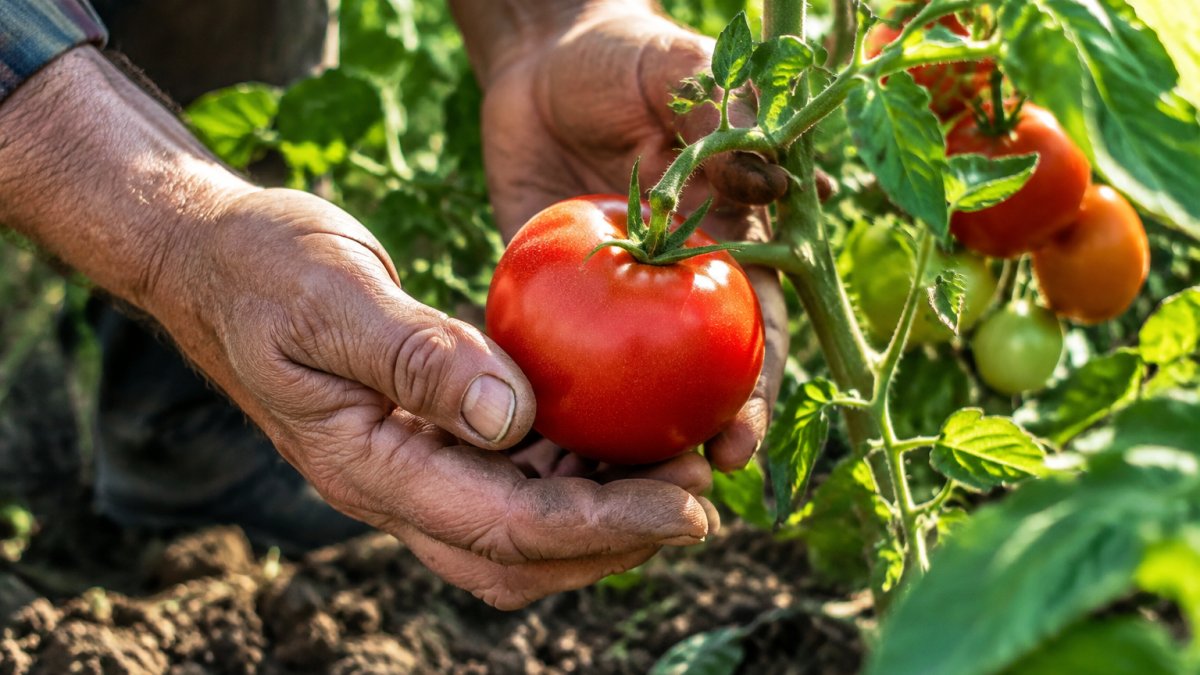
Flavor comes from sugars, acids, aroma compounds, and texture. A tomato picked at full ripeness and eaten within days tastes sweeter and more aromatic than one picked green and shipped across the country. Organic growing practices, including healthier soil and less synthetic input, can support stronger plant development, though results vary by farm and crop.
The organic label alone does not guarantee flavor. The Maine Organic Farmers and Gardeners Association notes that taste also depends on good growing practices, freshness, variety, and timing. That distinction matters when you are deciding what to buy.
How U.S. Adults Rate the Taste of Organic vs Conventional Produce
Does Organic Food Taste Better? What the Evidence Says
The evidence is mixed, and it depends on whether you ask consumers or run a blind test. In a consumer sensory analysis, 28% of panelists considered organic produce tastier than conventional produce, according to the PubMed record for the study by X. Zhao and colleagues. The same panelists rated organic produce as healthier (72%) and more environmentally friendly (51%), which suggests perception and taste can blur together.
Consumer surveys tell a similar story. Pew Research Center's 2016 survey found 32% of U.S. adults said organic produce tastes better, 5% said it tastes worse, and 59% said the two taste about the same. Earlier, The Organic Center reported that 43% of organic-food consumers cited better taste as a major reason for buying organic fruits and vegetables.
If you want to confirm what you are buying is genuinely organic, our guide on how to verify organic food certification step by step walks through the checks.
Organic vs Conventional Produce Taste: A Side-by-Side Look
The two categories differ in farming method, not in a guaranteed flavor outcome. But the factors that actually shape what you taste are more specific than most comparisons admit. Here is how organic and conventional produce diverge on the variables that matter, followed by the post-harvest mechanisms that often decide the winner.
| Factor | Organic Produce | Conventional Produce |
|---|---|---|
| Soil and fertility | Compost, cover crops, crop rotation | Synthetic fertilizers common |
| Pest control | Approved biological and cultural methods | Synthetic pesticides common |
| Harvest timing | Often picked closer to ripe for local sales | Frequently picked early for shipping |
| Post-harvest handling | Shorter supply chains possible | Longer transport and storage |
| Flavor result | Variable, often stronger when fresh | Variable, depends on handling |
That table covers the farming side. The flavor side is decided after harvest, and this is where most comparisons stop short.
Respiration and sugar loss. Once a fruit or vegetable is picked, it keeps respiring, burning stored sugars and acids.
Ethylene and ripening. Some crops (tomatoes, bananas, avocados) continue ripening after harvest and respond to ethylene gas. Others (strawberries, citrus, grapes) do not ripen further once picked.
Temperature and chilling injury. Storage temperature controls how fast quality declines. Crops sensitive to chilling, basil, cucumbers, summer squash, tomatoes, can lose aroma and develop off-flavors if held too cold for too long.
Time since harvest. This is the single most underrated variable. A conventional tomato from a nearby farm stand at peak ripeness will beat an organic tomato that spent a week in a truck.
Watch out: a "vine-ripened" or "locally grown" claim is not the same as a short time since harvest. Ask when the produce was picked, not just where it was grown.
A practical rule: if flavor is your goal, prioritize time since harvest and ripeness first, then variety, then certification.
Do Organic Strawberries Taste Better? A Closer Look at Specific Crops
Strawberries show why produce-by-produce comparisons matter. A strawberry's flavor comes from sugar concentration, acidity, and aroma compounds, and those peak in the final days of ripening.
The same logic plays out differently across crops, which is why treating all produce as one category hides the real answer.
Tomatoes. Flavor depends on the balance of sugars, acids, and volatile aroma compounds, and those develop on the vine.
Strawberries. As above, they do not ripen further after picking. Color at harvest is the best signal of sweetness.
Leafy greens and herbs. These are highly perishable and lose aroma and texture quickly after harvest.
Root vegetables. Carrots, potatoes, and onions store well and change less in flavor over time than soft fruit.
Sweet corn. Sugar begins converting to starch almost immediately after picking, so time since harvest dominates flavor.
Citrus and grapes. These do not ripen further after harvest, so maturity at picking is decisive. Variety and growing region also shape acidity and aroma.
Stone fruit. Peaches and plums continue to soften and develop aroma after harvest but do not gain sugar.
For families who want consistent quality, our guide to the best organic produce delivery for families covers what to look for in a weekly box.
The Cost of Organic vs Non-Organic Produce: Is the Flavor Worth It?
Organic produce usually costs more, and whether the flavor justifies the premium depends on what you value. U.S. sales of certified organic products reached $76.6 billion in 2025, growing 6.8% year over year, according to the Organic Trade Association's 2026 market report. That growth suggests many shoppers see the value.
The honest answer is that flavor is only one part of the calculation. Organic produce also appeals to shoppers who want fewer synthetic pesticides and clearer sourcing. If flavor is your main goal, buy what is freshest and in season first, then choose organic where it fits your budget.
Storage matters just as much. Our tips on how to store organic vegetables longer help you protect the flavor you paid for.
Taste the Difference: Choosing Produce That Actually Delivers
The best way to settle the question is to taste for yourself, side by side, without knowing which is which. Try this simple method at home:
- Buy one organic and one conventional sample of the same crop on the same day.
- Label the plates A and B, and have someone else set them out so you do not know which is which.
- Taste both at room temperature, noting sweetness, acidity, aroma, and juiciness.
- Repeat with a second crop before you draw a conclusion.
What most guides miss is that freshness and variety often decide the winner, not the label. A blind taste test at home will tell you more than any survey. If you want to confirm a label is real, our guide on how to verify organic food labels in 5 steps shows you how.
When you are ready to taste the difference, our guide on how to find local organic farms near you helps you source produce at its freshest.
Flavor is decided by freshness, variety, and how produce is handled after harvest. Papadaves grows organic products on our own farm and delivers them farm-to-door, so your produce arrives fresh and traceable. Our own-farm sourcing and convenient home delivery make it simple to put better-tasting organic food on the table. Get started with Papadaves and taste the difference fresh, honestly grown produce makes.
Frequently Asked Questions
Does organic food actually taste better?
The evidence is mixed. A Pew Research Center survey found that 32% of U.S. adults said organic produce tastes better, while 59% said it tastes about the same as conventional. In controlled sensory tests, 28% of panelists considered organic produce tastier. However, factors like freshness, variety, and growing practices often matter more than the organic label itself when it comes to flavor.
Why might organic produce taste better?
Organic produce may taste better due to several factors: it is often fresher when sold at farmers markets or through farm-to-door services, grown in healthier soil that supports complex flavor compounds, and harvested at peak ripeness. Certain varieties bred for flavor rather than shelf life also contribute. The organic label alone does not guarantee better taste, but the farming practices behind it often do.
Is organic produce always fresher?
No, organic produce is not always fresher. Freshness depends on the supply chain, not the certification. Organic produce shipped long distances can be just as old as conventional. However, organic farms that sell locally or direct-to-consumer often harvest closer to delivery, which can mean fresher, better-tasting produce. Look for transparent sourcing and short farm-to-door timelines.
What are the downsides of buying organic produce?
The main downsides are cost and availability. Organic produce typically costs more due to lower yields and higher labor costs. It may also have a shorter shelf life because it is often harvested riper and lacks preservatives. Additionally, not all organic produce is fresher or tastier; the label certifies growing methods, not flavor. It is worth prioritizing organic for certain crops and focusing on freshness for others.